Neurodiversity
April 29th, 2026


Neurodiversity by Lindsay Cook
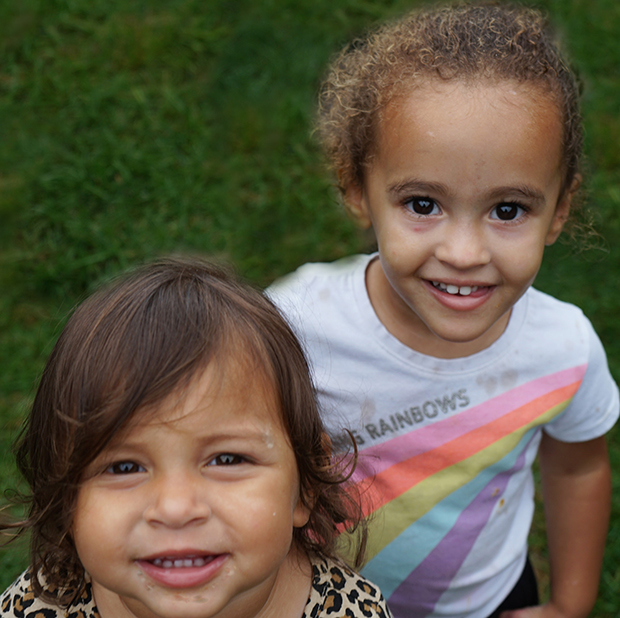
Neurodiversity is defined as “the idea that people experience and interact with the world around them in many different ways; there is no one ‘right’ way of thinking, learning, and behaving, and differences are not viewed as deficits.” (“What is neurodiversity?” by Nichole Baumer on health.harvard.edu). We’re all wired in our own way, with distinct gifts and challenges! Like our fingerprints, our brains are all different--a beautiful rainbow of emotions, thoughts, perceptions and beliefs.
I see it as a parent, with my own three children, and the way that they move through the world. One is social, able to make friends with strangers at the park and happy to chat the ear off anyone who will listen. The other takes time to warm up, needing a moment to observe, and has struggled with spoken language since his toddler years. Some kids are goal-oriented, organized and driven to achieve, while others are creative dreamers with big ideas and questions.
Learning challenges often come with a “flip side of the coin,” a gift and ability. The kids who struggle to connect with others often have a rich mental life filled with interesting facts, amazing memories and unique interests. A child that has difficulty with blocking out distractions often has gifts of leadership, interpersonal skills, physical capabilities, creativity or expressiveness. Students for whom it’s difficult to master specific skills—reading, writing, or math—may shine in other areas. And the struggle itself is a gift! Children learn resilience, a “try-again” attitude and to embrace mistakes as they wrestle with their challenges.
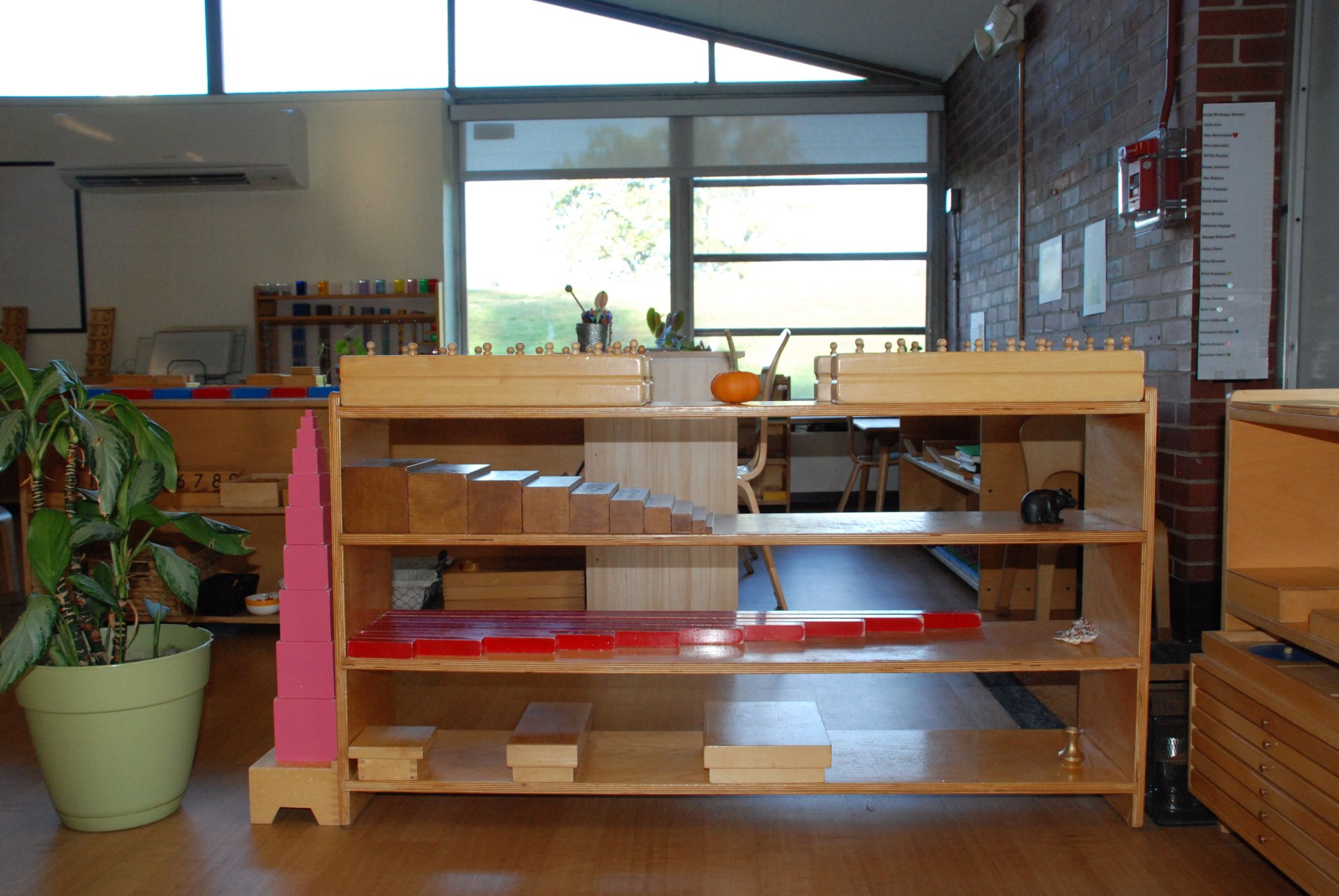
How does a Montessori classroom support its diverse students? Diversity in learning styles is the base upon which the philosophy is built. At her first school in Rome, Scuola Magistrale Ortofrenica, Dr. Montessori developed her materials while working with children who were not neuro-typical. She noted that all learners benefit from concrete and visual materials, a calm, organized environment, academics broken into small sequential steps and opportunities to move their bodies. Our multisensory manipulatives gradually move from concrete to abstract. Our instruction is individualized, based on each child’s needs and readiness. And the heart of the Montessori classroom is a culture of encouragement, that embraces mistakes and emphasizes respect. Maria Montessori invented her method over a hundred years ago and today’s science validates it.
As parents, let’s embrace our child’s unique wiring, with strengths and weak spots! Learning about one’s own feelings and thinking (“metacognition”) is step one. You can support children in developing skills of self-reflection. Ask your child: “What comes easily to you? What can be hard? Where are you able to learn best? How do you feel when something is hard? What can you do?”
Model your own thinking process and mistake-making aloud. Read about heroes and sheroes who are neurodivergent! We can learn from the likes of Temple Grandon, Walt Disney, Picasso, Steven Spielberg, Anderson Cooper and many more who have learning differences. Always work from the assumption that your child wants to succeed and is doing their best.
“It is remarkable how clearly individual differences show themselves, if we proceed in this way; the child, conscious and free, reveals himself,” Maria Montessori wrote in The Montessori Method. It is our own differences that makes the world a beautiful, fascinating place!
Some books about neurodiversity to read with your children:
Toddlers
Beautiful Oops! (Saltzberg) teaches children to embrace mistakes and turn them into something beautiful.
I Like Myself! (Beaumont) celebrates self-acceptance and self-love.
It’s Okay to be Different (Parr) is a colorful celebration of differences.
Primary
All the Ways to be Smart (Bell) is a beautifully illustrated and imaginative book that celebrates many different definitions of “smart.”
My Wandering Dreaming Mind (Saunders) is the story of a girl who have trouble paying attention that learns to focus on the positive.
Wiggles, Stomps and Squeezes Calms my Jitters Down (Parker) is a book for anyone who has ever felt the need to wiggle, stomp or squeeze.
Lower Elementary
Your Fantastic Elastic Brain (Deak and Ackerly) teaches about our brains, how they work and how to help them grow.
The Hank Zipzer is a series (Winkler) that features a boy with learning differences, based on the real life of the author, actor Henry Winkler.
Aaron Slater Illustrator (Beaty) tells the story of a boy who struggles learning to read, but shines in his own way.
Upper Elementary
Fish in a Tree (Hunt) tells the story of a girl who learns not to hide her learning challenges and discovers that all great minds don’t think alike.
Who is Temple Grandin? This book is part of a series about the lives of inspiring humans. Many books from the Who is ___? series feature extraordinary people who have changed the world.
Adolescent
Same but Different (Peete) narrative about the challenges and triumphs of being a neurodiverse teen and the effects on family, school, friends, and life.
The Growth Mindset Workbook for Teens (Schleider and Mullarkey) contains a practical set of activities to help young people develop a growth mindset.